 Fiberglass insulation remains one of the most popular and cost‑effective insulation materials for homeowners and businesses looking to improve comfort and energy efficiency. Available in both blown‑in (loose‑fill) and batt or roll formats, fiberglass insulation is made with up to 40% recycled materials, making it an environmentally responsible choice. Whether you’re upgrading an older home or insulating a new construction project, fiberglass offers dependable performance, long‑term savings, and excellent thermal protection.
If you’re exploring insulation options for your home or building, our team at Green Star Plus provides expert installation services. Contact us to learn more!
Fiberglass Blown‑In Insulation Installation
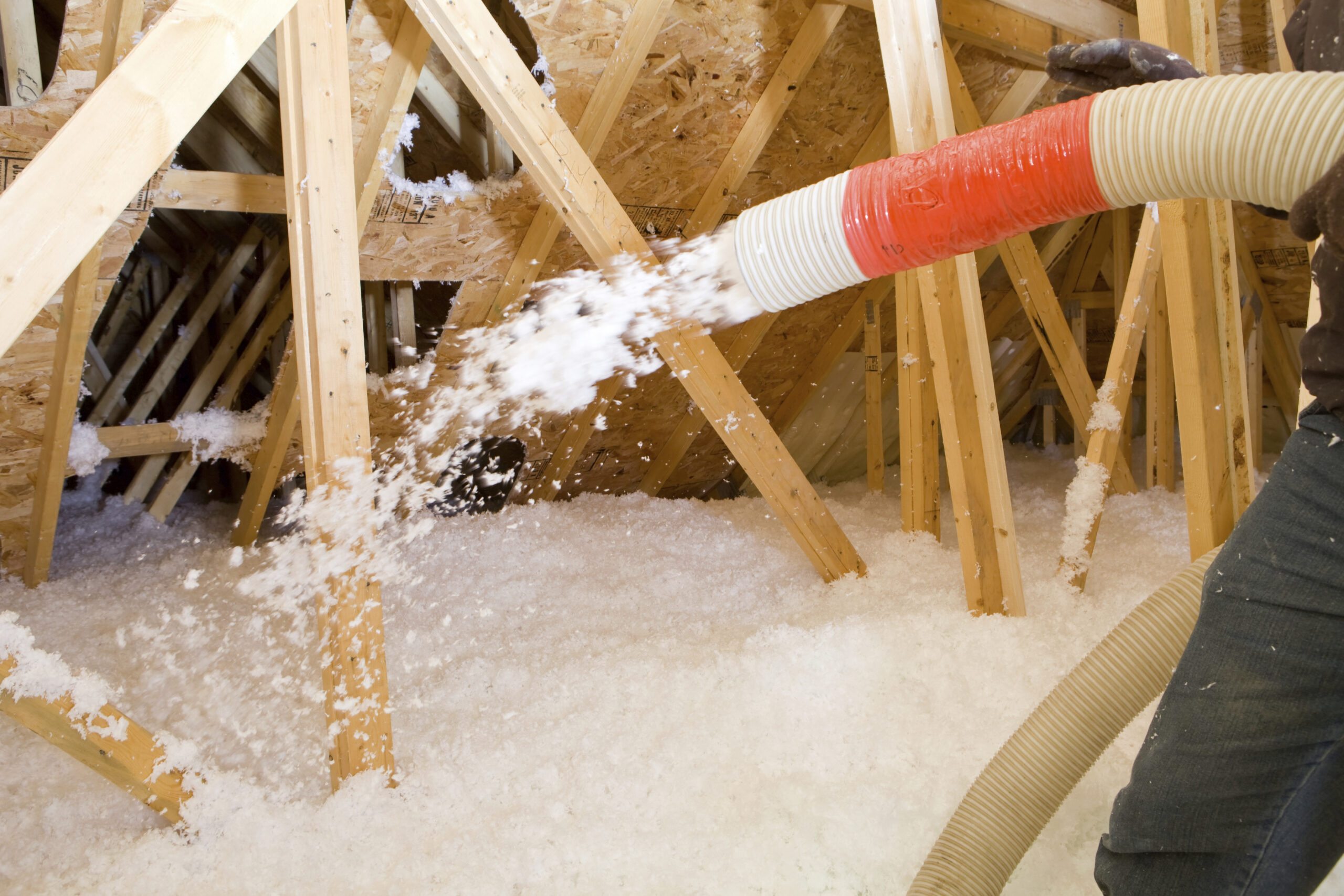
Blown‑in fiberglass insulation—also known as loose‑fill insulation—is ideal for filling small gaps, cracks, and irregular spaces that traditional batt insulation may not reach. This makes it especially effective in attics, wall cavities, and hard‑to‑reach areas where air leakage is common. Because blown‑in insulation can be applied quickly and evenly, it creates a seamless thermal barrier that helps reduce energy loss and improve indoor comfort.
Homeowners often choose blown‑in fiberglass for its:
- Excellent coverage and flexibility
- Ability to fill tight or uneven spaces
- High energy‑efficiency rating
- Quick installation process
Fiberglass Batt Insulation Installation
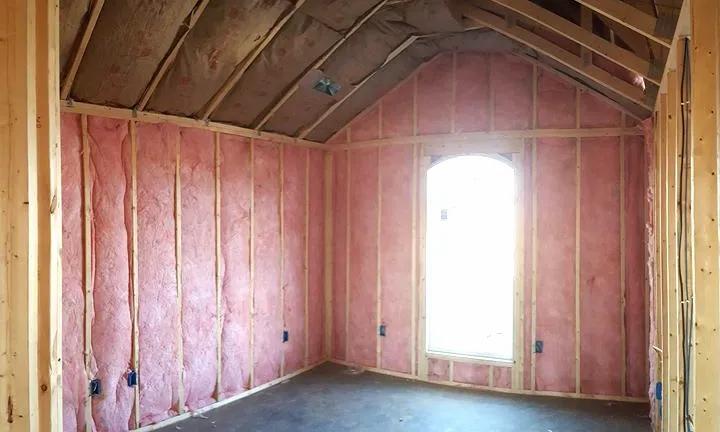
Fiberglass batts and rolls are designed to fit snugly between wall studs, floor joists, and ceiling cavities. They are a popular choice for attic insulation, crawl spaces, basements, and new construction projects. Batt insulation is known for its affordability, versatility, and consistent performance, making it a reliable option for homeowners looking to improve energy efficiency without exceeding their budget.
Batt insulation is commonly used in:
- Retrofit insulation upgrades
- New home construction
- Garage and basement insulation
- Attic and crawl space insulation
Blown‑In vs. Batt Insulation: Which Is Better?
Choosing between blown‑in and batt insulation depends on your home’s structure, your energy‑efficiency goals, and the areas you need to insulate. Blown‑in insulation is ideal for irregular or enclosed spaces, while batt insulation is perfect for open cavities and new construction framing.
If you’re unsure which option is right for your project, our experts can help. Reach out to us here for personalized recommendations.
Benefits of Fiberglass Insulation Installation
Fiberglass insulation offers a wide range of advantages that make it a top choice for homeowners and builders. When installed correctly, fiberglass insulation can:
- Increase energy efficiency by reducing heat transfer
- Improve indoor comfort throughout every season
- Enhance HVAC performance by reducing system strain
- Provide soundproofing benefits between rooms and floors
- Support a healthier indoor environment by reducing drafts and moisture issues
High‑density fiberglass products—such as high‑density batt insulation—offer even greater thermal resistance. A higher R‑value means better protection against heat loss and heat gain, helping you maintain consistent indoor temperatures and reduce energy costs year‑round.
Other Types of Insulation We Offer
While fiberglass insulation is one of the most popular and cost‑effective solutions, Green Star Plus offers several additional insulation materials to meet the unique needs of different homes and buildings. Every structure is different, and choosing the right insulation type can significantly impact energy efficiency, comfort, and long‑term performance. In addition to fiberglass, we proudly install cellulose, spray foam, and rockwool insulation—each offering its own set of advantages
Frequently Asked Questions
What Is Blanket Insulation?
Blanket insulation is one of the most common insulation types and comes in the form of batts or rolls. While fiberglass is the most widely used material, blanket insulation can also be made from mineral wool, plastic fibers, or natural fibers like cotton and sheep’s wool. It is commonly used in attics, walls, and floors due to its affordability and ease of installation.
What Is the Best Soundproofing Insulation?
Insulation plays a major role in reducing noise transfer between rooms and floors. The most effective sound‑dampening materials are cellulose and fiberglass, both of which help absorb sound and improve acoustic comfort. If noise reduction is a priority, our team can recommend the best materials and installation methods for your home.
